Saint Philaret of New York: Collected Works
The gathered writings, letters and sermons of the saint.
View the bookOur Patron
The New Confessor · 1903 — 1985
He was born George Voznesensky in Kursk in 1903. He was a boy when the revolution came, and his family left with the Russian emigration for Harbin, in Manchuria — a Russian city built on Chinese soil, which for a generation held one of the largest communities of Russians outside Russia.
He was educated there, tonsured a monk, and ordained. He stayed for three decades, through the Japanese occupation and then the Communist one, serving a congregation that grew smaller each year as those who could leave did. Most of the clergy went. He remained.
He left China in 1962 and went first to Australia. Two years later, in 1964, he was elected First Hierarch of the Russian Orthodox Church Outside Russia, and held that office until his repose in 1985.
He is remembered above all for the letters he addressed to the bishops of the world in defence of the Orthodox confession — written at a time when saying such things cost something, and made him few friends among those he wrote to.
He reposed on 21 November 1985. When his grave was opened thirteen years later, in 1998, his relics were found incorrupt. He is venerated today as Saint Philaret the New Confessor, and this parish is named for him.
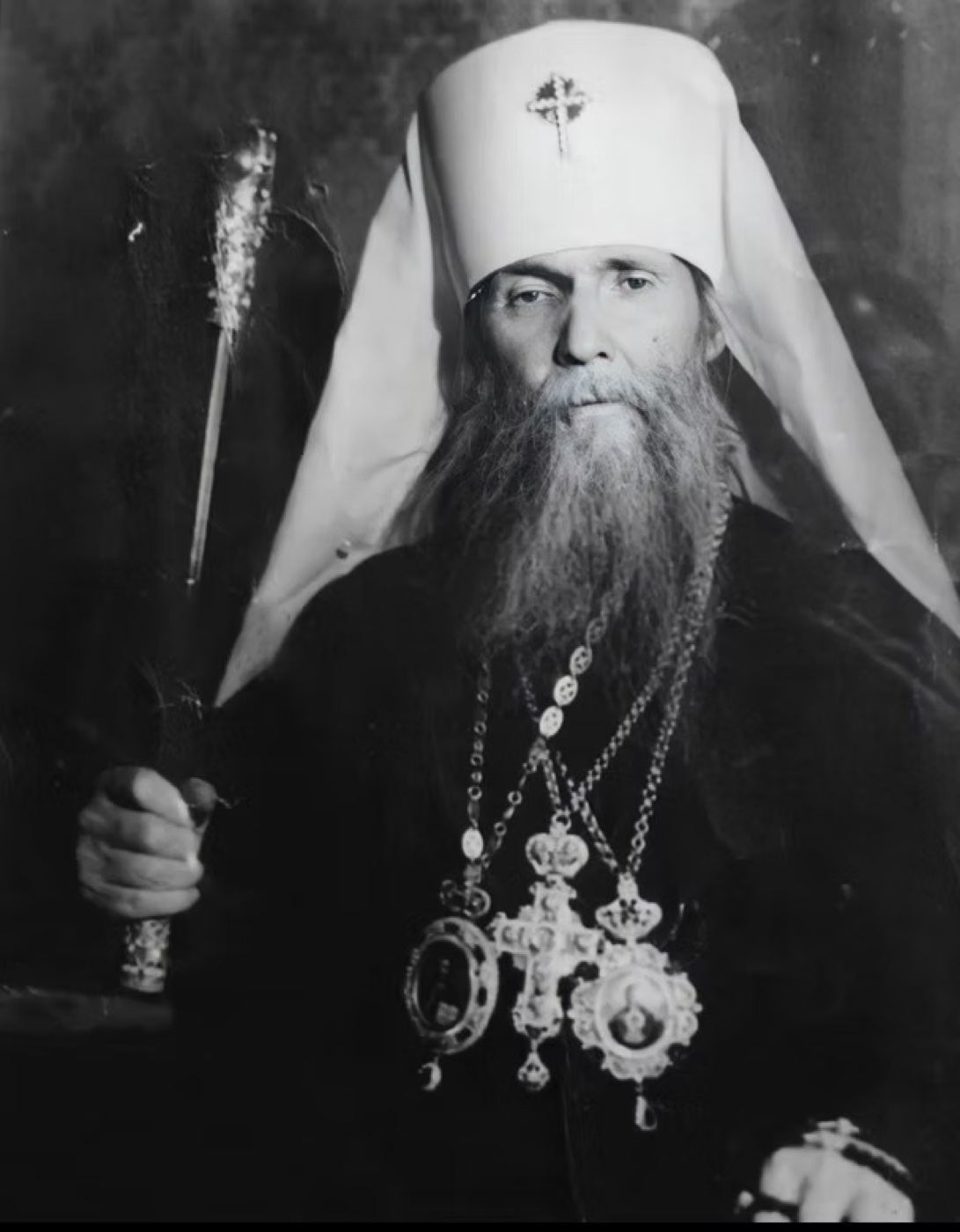
His Likeness
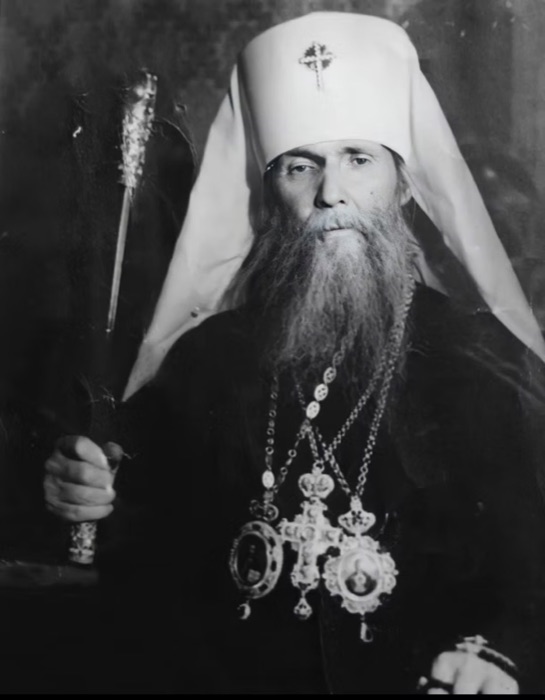
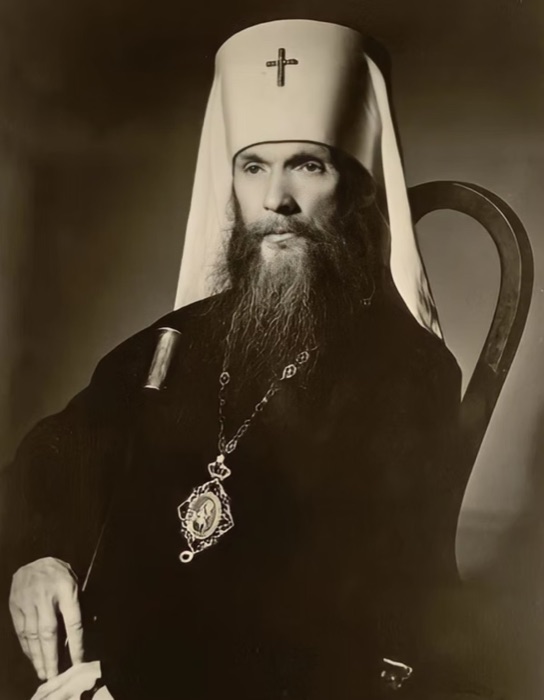
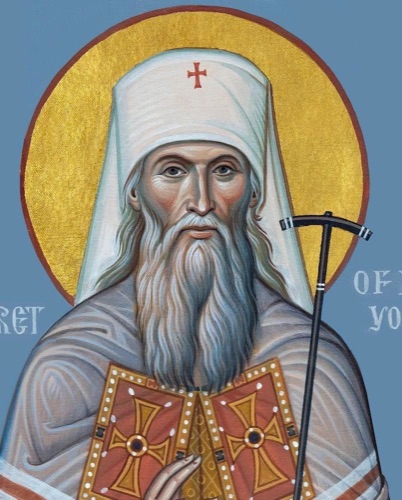
He reposed in 1985, within living memory, and was photographed through his years as First Hierarch. The icon beside them is the one kept at this parish.
In His Own Words
The saint wrote plainly and at length. His own words belong at the centre of this page.
A saying of the saint belongs here.To be added from his collected works
Left empty on purpose. Words are not attributed to a canonised saint here unless they can be checked against a printed source. Both volumes below are the right source — send the passages with book and page and they will be set in properly, as many as you like.
Reading
The gathered writings, letters and sermons of the saint.
View the bookCorrespondence and private writings of Metropolitan Philaret.
View the bookFr. Jacob or Fr. Yakov should read this biography over. It keeps to what is widely recorded, but dates, places and the account of his glorification are exactly what a parish gets asked about — they should be confirmed by the clergy.